

About Me
college dating violence Warrnambool
Dating and Intimate Partner Violence on College Campuses | Partnership Against Domestic Violence Warrnambool
Dating Violence: A College Campus Concern Warrnambool
CLICK HERE





CLICK HERE
Dating Violence and Substance Use in College Students: A Review of the Literature Warrnambool
College Dating Violence and Abuse Poll | Break the Cycle Warrnambool
Dating and Intimate Partner Violence on College Campuses Warrnambool
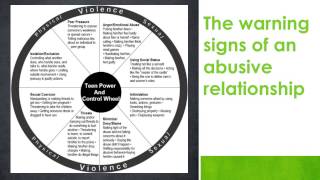
43% of dating college women report experiencing some violent and abusive dating behaviors including physical, sexual, tech, verbal or controlling abuse.
Dating violence is a serious and prevalent problem among college-aged dating couples. Although substance use has been shown to be associated with dating.
homosexual relationships and can include verbal, emotional, physical, or sexual abuse, or a combination of these. Incidence of College Dating Violence.
Psychological aggression is the most common form of dating violence among college students, placing young adults, particularly females.
Krebs, & Lindquist, ; Kaukinen, Gover, &.
There are a multitude of negative consequences associated with college dating violence. Physical, psychological, and sexual coercion are associated with an.
Findings of the International Dating Violence. Study (Straus, ) found that women and men both demonstrate aggressive behaviors in dating relationships (?
Twenty-one percent of college students report having experienced dating violence by a current partner, and 32 percent of college students report experiencing.
Dating violence, also known as intimate partner violence (IPV), is a common and pervasive problem on college campuses. Approximately 1 in 3 women, 1 in
Dating violence can include physical, sexual, and psychological or emotional abuse and is common among college students (Murray & Kardatzke, ).
Dating Violence: A College Campus Concern Warrnambool
Dating and Intimate Partner Violence on College Campuses | Partnership Against Domestic Violence Warrnambool
Dating Violence and Substance Use in College Students: A Review of the Literature Warrnambool
Have you experienced dating violence? In fact, according to the National Coalition Against Domestic Violence, college-aged women between the ages of 16-24 have the highest per capita rate of intimate partner violence. Twenty-one percent of college students report having experienced dating violence by a current partner, and 32 percent of college students report experiencing dating violence by a previous partner. Peer pressure, the presence of drugs and alcohol, stressful schedules, tight-knit friend groups and social media contribute to higher rates of abuse, sexual assault and stalking for students. In addition, young adults often have limited relationship experience and may never have had someone talk with them about what healthy, affirming relationships should look like. Experiencing violence and abuse in the home, as well as unhealthy and abusive dating relationships in high school can also increase the risk for someone finding themselves in an abusive relationship in college. College students face a variety of obstacles in accessing services to assist them in escaping an abusive relationship. College students often feel trapped by their social networks and the relatively closed environment of many campuses. Break the Cycle, Inc. In some circumstances, students may not define their experience as abusive, not recognizing emotional, verbal, sexual and financial abuse as all being aspects of an abusive relationship. Sadly, abusive behaviors may have become a norm to them which can lead to students not reporting the crime and not seeking and receiving the help they need. If you or someone you know is a student experiencing abuse, consider contacting PADV to begin exploring services and legal remedies that colleges may not be able to provide. PADV offers counseling services, emergency shelter and a support group that focuses on college violence. While this experience may feel scary and overwhelming, reaching out for help is the first step. For more information about how PADV is supporting victims of domestic violence on college campuses please call 404. For assistance or to talk about anything related to domestic violence, please call our 24-hour hotline at 404. Barriers College students face a variety of obstacles in accessing services to assist them in escaping an abusive relationship. Resources If you or someone you know is a student experiencing abuse, consider contacting PADV to begin exploring services and legal remedies that colleges may not be able to provide. Related Articles. Exposure to Violence Linked to Suicidal Behavior.
Dating violence, also known as intimate partner violence IPV , is a common and pervasive problem on college campuses. Approximately 1 in 3 women, 1 in 10 men, and 1 in 2 transgender individuals are victims of dating violence. Another cause for concern, about one third of college students polled reported that they had physically assaulted someone they had dated in the last year. Physical abuse can include shoving, hitting, slapping, pushing, spitting, pinching, restraining, choking, kicking, shaking, grabbing, burning, using weapons against, or throwing objects at a dating partner. Sexual abuse : Coercive, forceful, pressuring, or manipulative behaviors that can result in a dating partner engaging in sexual activities without complete consent. When a dating partner is forced, coerced, or pressured into sexual acts without given consent to the sexual activity, this is considered rape or sexual assault. This can take the form of stealing or demanding passwords, texting and calling numerous times of the day or night, pressuring a dating partner to send sexual texts or images, or checking incoming and outgoing messages on email, social media, or cell phone. This type of abuse is becoming more common with the extensive use of technology in college communities. Regardless of race, gender, and sexual orientation, college student survivors of IPV often experience symptoms of depression, anxiety, and posttraumatic stress disorder PTSD. If the above descriptions sound familiar or seem to characterize your current dating relationship, it is likely that you are experiencing dating violence. You may want to consider the following. Abuse is not part of a healthy relationship : The first step is admitting to yourself that abuse is taking place in your relationship. This is not always easy to do, but it is important to understand that no one deserves to be in a harmful relationship, you are not alone, and help is available. Reach out to the campus counseling center, CAPS : USF has professional, free, and confidential counseling services available to registered students. Counselors are available to discuss these situations in more depth or may provide you with a referral to other helpful community resources. Receive additional support : Research indicates that getting more social support is one of the best ways survivors can diminish the harmful effects of dating violence. Dating violence among adolescents. Washington, DC: Advocates for Youth. Harvard School of Public Health 2001. Dating violence against adolescent girls linked with pregnancy, suicide, and other health risk behaviors Richards, T. The impact of parental and peer social support on dating violence perpetration and victimization among female adolescents: A longitudinal study. Violence and Victims, 29 2 , 317-331.
Dating violence is a serious and prevalent problem among college-aged dating couples. Although substance use has been shown to be associated with dating violence among college students in empirical studies, the use of substances as they relate to dating violence has yet to be systematically reviewed. The purpose of the present manuscript is to review research on dating violence perpetration and victimization and substance use alcohol and drugs. First, theoretical explanations for the association between substances and dating violence are presented. Second, the literature on substance use and dating violence is reviewed. The literature suggests a consistent association between alcohol and dating violence perpetration and victimization, although the association between drug use and dating violence is less clear. Implications of this review for dating violence prevention programming and future research are discussed. The majority of research focus has been conducted on substance use and IPV among community and treatment samples of adults e. The purpose of the current manuscript is to review the literature on substance use i. First, we present a brief summary of the prevalence and negative consequences of dating violence. Second, we present theoretical explanations for the association between substance use and IPV. Finally, we discuss implications for prevention programming and we provide recommendations for future research. For the current review, we will focus on dating violence that occurs between college-aged couples. Although the definition and prevalence rates of dating violence have been discussed elsewhere e. Regardless of the severity of the aggression, prevalence rates for dating couples are similar across gender, with males and females perpetrating and being victimized by comparable levels of aggression Prospero, 2007 ; Shorey et al. Furthermore, dating violence is associated with a number of health problems. Although female victims are more likely than male victims to sustain physical injuries as a result of abuse Archer, 2000 , research increasingly indicates that male victims of dating violence often experience a similar number of mental health problems as their female counterparts Prospero, 2007. In all, the mental and physical health toll associated with dating violence victimization is devastating. For instance, dating violence is often less severe in nature than aggression that occurs between intimate partners in marital or cohabitating relationships, particularly with regard to physical aggression Shorey et al. Further, dating partners rarely cohabitate, and IPV is more frequent and severe in cohabitating relationships Stets, 1991. Similarly, Moore et al. Additionally, research with adult substance use treatment samples show that reductions in substance use is associated with reductions in IPV perpetration e. Therefore, the link between substance use and IPV among community and treatment samples of adults has been extensively explored with consistent associations found between substance use and IPV. Unfortunately, the link between substance use and dating violence among college students has yet to be systematically reviewed, hindering our understanding of whether substance use may be as robust a correlate of aggression for these young couples as it is for community and treatment samples of adults. Thus, systematically reviewing the literature on the association between substance use and dating violence will help researchers and clinicians clarify whether adding substance use components to existing and newly developed prevention programs may enhance their effectiveness. Before reviewing the literature on substance use and dating violence, it is important to consider relevant theoretical frameworks for this association. Although there are a number of theoretical frameworks that have been used to explain the link between substance use and aggression see review by Giancola, 2002 , we will focus only on the theoretical models that have either been directly tested with IPV or were developed specifically for explaining the link between substance use and IPV. For instance, substance use by one or both partners may increase the chances of arguments between partners, leading to reduced relationship quality and, in turn, aggression. However, as reviewed by Klosterman and Fals-Stewart 2006 , even after controlling for relationship discord and other negative relationship variables, substance use is still directly associated with IPV perpetration. This suggests that substance use most likely has a different path to IPV that is not solely mediated through decreased relationship quality. Therefore, the explanatory power of the indirect effects model may not be sufficient. For example, personality dispositions to become angry or hostile, beliefs about IPV, socioeconomic status, and race have all been shown to be related to IPV and substance use, and it is possible that these variables are responsible for the association between substance use and IPV. Therefore, like the indirect effects model, the spurious effects model does not appear to be the soundest theoretical framework for explaining the relationship between substance use and domestic violence. The proximal effects model posits that substance use is a causal agent in the association between use and aggression, with the pharmacological effects of substances e. For instance, acute alcohol use may make negative situational factors e. Research examining the temporal association between substance use and IPV perpetration has shown that substance use often occurs prior to, and temporally close in time to, aggression e. However, the majority of research on this theory has been conducted with non-college student samples, limiting the generalizability of findings to college students. Similar to the proximal effects model, Leonard 1993 developed a conceptual framework that proposes that acute alcohol use impacts specific episodes of aggression, but that it is only under conditions of negative interactions among partners that alcohol use will likely lead to aggression. Finally, alcohol use by both partners is hypothesized to play an important role in risk for aggression, not just alcohol use by the perpetrator. Although research with men and women arrested for IPV has demonstrated support for this framework Stuart et al. However, an additional theoretical explanation for the association between substance use and IPV has recently been developed. Bell and Naugle 2008 proposed a theory of IPV which combined existing research with basic behavioral theory principles in an attempt to provide a parsimonious framework to explain the perpetration of IPV. In their theoretical framework, substance use is viewed as an antecedent condition to aggression, specifically a motivating factor. A motivating factor is an antecedent condition that temporarily alters the potency of a particular consequence e. Research is needed to determine whether there is empirical support for their conceptualization of how substance use is associated with IPV. One limitation to the existing theoretical frameworks on the association between substance use and IPV is their focus on the perpetration of aggression. That is, there is a lack of theoretical explanations for the association between substance use and IPV victimization. Research shows that victims of IPV evidence increased substance use e. It is likely that theoretical development in this area has been limited due to concerns of blaming victims for their own victimization. However, a few researchers have attempted to integrate victimization into their theoretical frameworks in order to provide a fuller picture of the relationship between substance use and interpersonal aggression. Indeed, research indicates that substance use is temporally related to victimization experiences e. It is also possible that victims and perpetrators consume substances together, creating a context which is conducive to aggression, although research is needed that examines this possibility. An additional explanation regarding why substance use is associated with victimization experiences is that victims may use substances to cope with the aftermath of aggression Anderson, 2002 ; Kaysen et al. Indeed, research shows that victims often consume substances immediately following episodes of aggression Parks et al. Continued empirical research is needed to help clarify the mechanisms responsible for the association between substance use and IPV victimization. The following review on the association between dating violence and substance use is restricted to college student studies only, as there are a large number of investigations that have examined the association between substance use and dating violence in this population. Research that has examined substance use and substance-related problems as related to dating violence are reviewed. In addition, only studies that have separated perpetration and victimization, and alcohol and drug use into separate variables are reviewed. First, the association between dating violence perpetration and substance use is reviewed, with separate sections for studies that examined males, females, and both genders combined. Second, the above is repeated for the association between dating violence victimization and substance use. As displayed in Table 1 , numerous studies have examined the association between dating violence perpetration and alcohol in college student males. Alcohol problems refer to problems that occur as a result of alcohol use, such as drinking and driving, arguments, etc. Research also shows that binge drinkers, defined as the consumption of 5 or more standard drinks e. However, these studies did not assess the amount of alcohol consumed prior to aggression or whether the risk of aggression was greater under states of acute alcohol intoxication versus states of sobriety. The cross-sectional nature of these studies also precludes the determination of the temporal relations among alcohol and aggression perpetration. Although the vast majority of research has shown an association between drinking frequency and dating violence perpetration for men, a few cross-sectional studies have failed to find such an association Fossos et al. However, these null results may be attributable to the different measures and indicators of aggression and alcohol use across these studies. For example, Fossos et al. As with their male counterparts, researchers have investigated the relationship between alcohol and dating violence perpetration among women Table 1. Research also shows that as the frequency of alcohol consumption increases physical aggression also increases Durant et al. In addition, alcohol is often consumed close in time to physical and psychological aggression Shook et al. It should be noted that all of these studies were cross-sectional. It is plausible that these null findings are due to the various indicators of alcohol and aggression utilized in these studies, consistent with research on male perpetrated aggression. A number of cross-sectional studies have combined males and females into an overall sample when examining the association between alcohol use and dating violence perpetration or have examined differences in the alcohol use-perpetration relationship among males and females Table 1. Follingstad, Bradley, Laughlin, and Burke 1999 found that alcohol problems predicted perpetration of physical aggression, and this effect was stronger for males than females. However, Hines and Straus 2007 found no gender difference in the association between binge drinking and physical aggression perpetration. Thus, further research is needed that examines whether the association between alcohol and perpetration varies depending on the gender of the perpetrator. Additional cross-sectional research that has examined males and females as a combined sample has shown that between 31. Also, estimated peak blood alcohol concentration BAC during the past month was associated with increased psychological aggression perpetration Roudsari et al. These studies provide further evidence for an association between alcohol and dating violence perpetration. There is a paucity of research examining drug use as it relates to dating violence perpetration among college students Table 1. Tontodonato and Crew 1992 found that drug use was associated with physical aggression perpetration, but did not separate specific types of drugs due to low response rates for drug use. Nabors 2010 cross-sectionally examined the associations between cannabis, depressants, hallucinogens, stimulants, narcotics, inhalants, and anabolic steroids with physical aggression perpetration. No other drugs emerged as significant predictors for men specifically. These findings suggest that drug use may indeed be a correlate of perpetrating dating violence for men, and some drugs may even be protective for perpetrating aggression, although much more research is needed in this area to fully understand what specific drug types are related to dating violence. Clearly, research on the association between drug use and violence perpetration among college student males is in its infancy. As with their male counterparts, we are aware of only a few studies that have examined the association between drug use and dating violence perpetration among women Table 1. Studies have shown that drug use is associated with increased risk of perpetrating physical aggression Durant et al. However, it has been suggested that marijuana use itself may not cause aggression but, rather, it may be marijuana withdrawal that is related to IPV Moore et al. Finally, Nabors 2010 found that depressant users were twice as likely as non-users to perpetrate physical aggression. However, the number of women who actually used depressants was quite small, suggesting that this drug class is likely present in only a small percentage of dating violence episodes. On the other hand, users of narcotics i. These findings speak to the importance of recognizing that not all drug use will lead to an increased risk for aggression perpetration despite the negative consequences often associated with using mind altering substances. In addition, the findings by Nabors 2010 suggests that drug use is not a robust correlate of perpetrating dating violence, and that drug use may only impact risk for aggression in a small number of college students. In addition to examining males and females separately, Nabors 2010 also examined males and females jointly to determine the association between drug use and physical aggression across gender. In addition, because marijuana and depressants were not related to male perpetration when males were examined separately, it is possible that these significant findings were driven by the association between marijuana and depressants for females. Thus, additional research is needed to replicate and extend these findings. Before reviewing the literature on dating violence victimization and substance use, it is important to emphasize that that the association between victimization and substance use does not imply that victims are at fault for their victimization. Although there is considerably less research on the association between alcohol use and dating violence victimization for men as compared to research on perpetration, a few studies have examined this association using cross-sectional designs Table 2. However, these studies were not consistent on which type of victimization was associated with alcohol problems, which may be due to these studies employing different measures of alcohol problems as displayed in Table 2. In addition, research shows that male victims are under the influence of alcohol for a large percentage of the times they are victimized by psychological and physical aggression Roudsari et al. However, it is possible that males perpetrated aggression first and were then victimized, which could be one explanation for these findings. As mentioned earlier, these discrepant findings could be due to these studies using two different measures of alcohol-related problems. Also consistent with their male counterparts, females report being under the influence of alcohol for a large percentage of their psychological and physical victimization experiences Roudsari et al. A few studies, however, have failed to find an association between alcohol use and dating violence victimization among women Lewis et al. Lewis et al. Thus, it may be that victims do not consume more alcohol than non-victims but that the acute effects of alcohol increase risk for victimization. In addition, Straight et al. Roudsari et al. Still, it is possible that the victimization occurred secondary to perpetration, and research is needed to determine the precise temporal sequence of events leading to victimization. Unfortunately, we are only aware of one study that has examined the association between dating violence victimization and drug use among male victims. Durant et al. Given the limited research conducted on male victimization and drug use, caution should be taken when making interpretations and generalizations of this study. We are aware of only two studies that have examined the association between dating violence victimization and drug use. However, both of these studies did not indicate the types of drugs used by victims, limiting our understanding of the specific substances related to female victimization experiences. The current paper sought to review the association between substance use and dating violence among college students in an attempt to determine whether substance use is as robust a correlate of aggression as it is for community samples of adults. With few exceptions, the current review indicates that alcohol is consistently related to dating violence perpetration for college-aged men and women. In addition, increased frequency of alcohol consumption is related to more psychological and physical aggression perpetration. These same findings hold true for females, with females who evidence alcohol problems, binge drinking, and increased frequency of drinking being more likely to perpetrate physical aggression. The literature reviewed is also largely consistent with the proximal effects model of substance use and aggression, as research has shown that aggression is more likely to occur when one is under the influence of alcohol e. It should be noted that all of the studies reviewed were cross-sectional, and longitudinal research will allow researchers to more accurately determine the theoretical model s that best account for the relations among alcohol and dating violence. Further, it should be noted that a few studies failed to find significant relations among alcohol and dating violence. As for drug use and dating violence perpetration, there are too few studies in the literature to make strong conclusions regarding the link between drug use and perpetration. However, it appears that certain substances are associated with an increased likelihood of perpetrating physical aggression for both males and females. Marijuana is one drug that has shown to be associated with perpetrating physical aggression, and research is needed to determine whether acute marijuana use is associated with perpetration or whether it is marijuana withdrawal symptoms or third variables that are associated with perpetration. The extant literature on alcohol and dating violence victimization suggests that victims of all three forms of victimization are at increased risk for alcohol problems and increased frequency of alcohol use. In addition, research suggests that male victims of physical aggression may be more likely to smoke cigarettes, whereas female victims may be more likely to use illegal substances. As with the research on drug use and perpetration, there is a need for continued research on the association between drug use and victimization, as it is difficult to make broad interpretations on the basis of only a few studies. Continued research in this area will also help to elucidate the theoretical framework s that best account for the association between substance use and victimization e. Overall, this review has potential implications for dating violence prevention programming. To date, dating violence prevention programs have largely ignored the effects of substance use on aggressive behavior Roudsari et al. Results showed positive benefits of receiving the intervention, which included reduced alcohol use and physical aggression. Thus, although time consuming to provide each participant with individualized feedback, focusing efforts on individuals with heavy drinking backgrounds may be one way to capture individuals at greatest risk for aggression. It should also be noted that a strict reliance on targeting alcohol use in prevention programming will probably be ineffective for many participants, as it is likely that a number of factors are contributing to aggressive behavior in addition to alcohol. Thus, prevention programs will need to focus efforts on targeting multiple risk factors for aggression, such as anger and emotional dysregulation, beliefs about aggressive behavior, communication skills, and alcohol use, to name a few. Screening participants on individual risk factors for aggression will aid prevention programs in providing the most effective educational and skill-building material to participants Shorey et al. In addition, because it appears that drug use may play a role in dating violence for a small number of individuals, screening participants on their drug use and then providing individualized feedback for individuals who consume drugs may be beneficial. Although there is a limited amount of research that has examined gender differences in the association between substance use and dating violence perpetration and victimization, the existing research does suggest that differences exist e. Therefore, future research should examine males and females separately when investigating substance use and dating violence. In addition, researchers should separate all three forms of dating violence into distinct variables. Knowing how substance use is associated with different topographies of dating violence may help prevention and intervention programs use the most effective treatment strategies for specific forms of aggression. Toward this end, examining perpetration and victimization separately will be important for future research, as some researchers have combined these behaviors e. Furthermore, the continued use of psychometrically sounds measures of dating violence, such as those used in the current review e. Similarly, examining alcohol and drug use separately will be important for future research, as a number of studies have combined these distinct substances into a single variable despite research showing different relations to aggression depending on the substance being examined. Researchers should also examine different aspects of substance use as they relate to dating violence. For instance, research shows that weekly alcohol use e. However, a number of studies have failed to disentangle these various aspects of alcohol use, making it difficult to interpret findings. In addition, no known study has examined aspects of drug use other than actual consumption of drugs, such as drug problems. This type of research could provide researchers and clinicians with a better understanding of the role drug use plays in dating violence. For instance, Hines and Straus 2007 found that antisocial personality disorder traits fully mediated the relationship between binge drinking and the perpetration of physical aggression in college students. Shorey et al. Finally, longitudinal research is needed that examines the association between substance use and dating violence. For instance, daily diary methods will help researchers understand the temporal association between substance use and dating violence while also reducing problems of retrospective reporting. In addition, researchers should attempt to examine specific theoretical models of the association between substance use and dating violence, as the majority of research on this topic to date has been atheoretical. Examining theoretical models will help researchers interpret findings, guide additional research, and inform prevention and intervention programs. In summary, the current review suggests that, among college students, alcohol use and dating violence victimization and perpetration are associated, consistent with research on community and treatment samples of adults. The association between drug use and dating violence is less clear, as there are only a small number of studies that have examined this topic. In addition, continued research on the association between substance use and dating violence is needed, particularly research that employs longitudinal designs and is guided by theoretical models. Alcohol use and problems are consistently related to dating violence perpetration and victimization. Additional research is needed to determine the role of drug use on dating violence victimization and perpetration. Publisher's Disclaimer: This is a PDF file of an unedited manuscript that has been accepted for publication. As a service to our customers we are providing this early version of the manuscript. The manuscript will undergo copyediting, typesetting, and review of the resulting proof before it is published in its final citable form. National Center for Biotechnology Information , U. Aggress Violent Behav. Author manuscript; available in PMC 2012 Nov 1. Ryan C. Shorey , 1 Gregory L. Stuart , 1 and Tara L. Cornelius 2. Shorey 1 University of Tennessee, 1404 Circle Dr. Gregory L. Stuart 1 University of Tennessee, 1404 Circle Dr. Tara L. Author information Copyright and License information Disclaimer. Corresponding Author: Ryan C. Shorey, ude. Copyright notice. The publisher's final edited version of this article is available at Aggress Violent Behav. See other articles in PMC that cite the published article. Abstract Dating violence is a serious and prevalent problem among college-aged dating couples. Keywords: Dating violence, aggression, substance use, alcohol, drugs, college students. Theoretical Considerations Before reviewing the literature on substance use and dating violence, it is important to consider relevant theoretical frameworks for this association. Dating Violence and Substance Use The following review on the association between dating violence and substance use is restricted to college student studies only, as there are a large number of investigations that have examined the association between substance use and dating violence in this population. Alcohol and Male Perpetration As displayed in Table 1 , numerous studies have examined the association between dating violence perpetration and alcohol in college student males. Open in a separate window. Alcohol and Female Perpetration As with their male counterparts, researchers have investigated the relationship between alcohol and dating violence perpetration among women Table 1. Alcohol and Combined Male and Female Perpetration A number of cross-sectional studies have combined males and females into an overall sample when examining the association between alcohol use and dating violence perpetration or have examined differences in the alcohol use-perpetration relationship among males and females Table 1. Drug use and Dating Violence Perpetration Drugs and Male Perpetration There is a paucity of research examining drug use as it relates to dating violence perpetration among college students Table 1. Drugs and Female Perpetration As with their male counterparts, we are aware of only a few studies that have examined the association between drug use and dating violence perpetration among women Table 1. Drugs and Combined Male and Female Perpetration In addition to examining males and females separately, Nabors 2010 also examined males and females jointly to determine the association between drug use and physical aggression across gender. Alcohol use and Dating Violence Victimization Before reviewing the literature on dating violence victimization and substance use, it is important to emphasize that that the association between victimization and substance use does not imply that victims are at fault for their victimization. Alcohol and Male Victimization Although there is considerably less research on the association between alcohol use and dating violence victimization for men as compared to research on perpetration, a few studies have examined this association using cross-sectional designs Table 2. Drug use and Dating Violence Victimization Drugs and Male Victimization Unfortunately, we are only aware of one study that has examined the association between dating violence victimization and drug use among male victims. Drugs and Female Victimization We are aware of only two studies that have examined the association between dating violence victimization and drug use. Summary The current paper sought to review the association between substance use and dating violence among college students in an attempt to determine whether substance use is as robust a correlate of aggression as it is for community samples of adults. Prevention Implications Overall, this review has potential implications for dating violence prevention programming. Directions for future research Although there is a limited amount of research that has examined gender differences in the association between substance use and dating violence perpetration and victimization, the existing research does suggest that differences exist e. Summary In summary, the current review suggests that, among college students, alcohol use and dating violence victimization and perpetration are associated, consistent with research on community and treatment samples of adults. Footnotes Publisher's Disclaimer: This is a PDF file of an unedited manuscript that has been accepted for publication. Dating violence in college women: associated physical injury, healthcare usage, and mental health symptoms. Nursing Research. Perpetrator or victim? Relationships between intimate partner violence and well-being. Journal of Marriage and the Family. Sex differences in aggression between heterosexual partners: a meta-analytic review. Psychological Bulletin. Factors predicting dating violence perpetration among male and female college students. Journal of Aggression, Maltreatment and Trauma. Courtship violence in a Canadian sample of male college students. Family Relations. Violence and Victims. Intimate partner violence theoretical considerations: Moving towards a contextual framework. Clinical Psychology Review. Intimate partner violence victims' accuracy in assessing their risk of re-abuse. Journal of Family Violence. Alcohol Research and Health. Alcohol and human physical aggression: Pharmacological versus expectancy effects. Journal of Studies on Alcohol. Alcohol problems and the differentiation of partner, stranger, and general violence. Journal of Interpersonal Violence. Alcohol use and risky sexual behavior among college students and youth: Evaluating the evidence. Primary and secondary prevention programs for dating violence: A review of the literature. Aggression and Violent Behavior. Legal consequences of dating violence: A critical review and directions for improved behavioral contingencies. Alcohol-related problems and intimate partner violence among white, black, and hispanic couples in the U. Alcoholism: Clinical and Experimental Research. Date fighting experiences among college students: Are they associated with other health-risk behaviors? Journal of American College Health. The occurrence of partner physical aggression on days of alcohol consumption: A longitudinal diary study. Journal of Consulting and Clinical Psychology. Risk factors and correlates of dating violence: The relevance of examining frequency and severity levels in a college sample. A multivariate investigation of dating aggression. Alcohol and intimate partner violence: A meta-analytic review. Intimate partner violence perpetration and problem drinking among college students: The roles of expectancies and subjective evaluations of alcohol aggression. Journal of Studies on Alcohol and Drugs. Alcohol-related aggression during the college years: Theories, risk factors, and policy implications. Predictors of perpetration of verbal, physical, and sexual violence: A prospective analysis of college men. Psychological aggression in dating relationships: Predictive models for males and females. Abused women or abused men? An examination of the context and outcomes of dating violence. Gender differences in psychological, physical, and sexual aggression among college students using the revised conflict tactics scales. Binge drinking and violence against dating partners: The mediating effect of antisocial traits and behaviors in a multinational perspective. Aggressive Behavior. Alcohol consumption and intimate partner violence perpetration among college students: The role of self-determination. Risk profiles of adolescent girls who were victims of dating violence. Dating violence victimization, relationship satisfaction, mental health problems, and acceptability of violence: A comparison of men and women. Domestic violence and alcohol use: Trauma-related symptoms and motives for drinking. Addictive Behaviors. Intimate partner violence and alcohol use: Exploring the role of drinking in partner violence and its implications for intervention. Department of Health and Human Services, Research Monograph 24: Alcohol and interpersonal violence: Fostering multidisciplinary perspectives. Drinking patterns and intoxication in marital violence: Review, critique and future directions for research; pp. Domestic violence: What is known and what do we need to know to encourage environmental interactions. Journal of Substance Use. Drinking and marital aggression in newlyweds: An event-based analysis of drinking and the occurrence of husband marital aggression. Dating violence: A critical review of the literature. Characteristics of female perpetrators and victims of dating violence. A comparison of nonviolent, psychologically violent and physically violent male college daters. Dating violence among college men and women: Evaluation of a theoretical model. Courtship violence among college students. Violence and intimacy in close relationships. Risk factors for physical violence between dating partners: Implications for gender-inclusive prevention and treatment of family violence. In: Hamel J, Nicholls T, editors. Springer; 2006. A review of the literature on marijuana and interpersonal violence. Drug use and aggression between intimate partners: A meta-analytic review. Measuring emotional abuse in dating relationships as a multifactorial construct. Drug use and intimate partner violence among college students: An in-depth exploration. Partner violence before and after individually based alcoholism treatment for male alcoholic patients. Partner violence before and after couples-based alcoholism treatment for male alcoholic patients: The role of treatment involvement and abstinence. Factors influencing the temporal relationship between alcohol consumption and experiences with aggression among college women. Psychology of Addictive Behaviors. Mental health symptoms among male victims or partner violence. Attachment styles, alcohol, and childhood experiences of abuse: An analysis of physical violence in dating couples. Relationships of hazardous alcohol use, alcohol expectancies, and emotional commitment to male sexual coercion and aggression in dating couples. Correlates of dating violence among male and female heavy-drinking college students. The relationship between intimate partner violence and the use of addictive substances in poor and homeless single mothers. Violence Against Women. Courtship violence among college students: A comparison of verbally and physically abusive couples. A critical review of theoretical frameworks for dating violence: Comparing the dating and marital fields. Behavior theory and dating violence: A framework for prevention programming. Dating violence victimization and alcohol problems: An examination of the stress-buffering hypothesis for perceived support. Partner Abuse. Dating violence against adolescent girls and associated substance use, unhealthy weight control, sexual risk behavior, pregnancy, and suicidality. Journal of the American Medical Association. A longitudinal investigation of heavy drinking and physical dating violence in men and women. Cohabiting and marital aggression: The role of social isolation. The impact of partner psychological abuse on health behaviors and health status in college women. Dominance and symmetry in partner violence by male and female university students in 32 nations. Children and Youth Services Review. The revised conflict tactics scales CTS2 : Development and preliminary psychometric data. Journal of Family Issues. Review of the association between treatment for substance misuse and reductions in intimate partner violence. Substance Use and Misuse. Examining a conceptual framework of intimate partner violence in men and women arrested for domestic violence. Reductions in marital violence following treatment for alcohol dependence. Marital violence victimization and perpetration among women substance abusers: A descriptive study. The role of drug use in a conceptual model of intimate partner violence in men and women arrested for domestic violence. Examining the link between posttraumatic stress disorder symptoms and dating aggression perpetration. Prevention of intimate partner violence in substance using populations. Dating violence, social learning theory, and gender: A multivariate analysis. College binge drinking in the 1990s: A continuing problem. A critical review of interventions for the primary prevention of perpetration of partner violence. Towards the assessment of adolescent problem drinking. Drinking patterns and dating violence among college students. A brief motivational intervention for physically aggressive couples. Prevention Science. Support Center Support Center. External link. Please review our privacy policy. Increased frequency associated with more perpetration. Perpetrators had more problems than non-perpetrators. Problems related to more perpetration; No association found for frequency. Problems related to more perpetration; Increased frequency associated with more perpetration. Binge drinkers perpetrated more aggression than non-drinkers. Fossos et al. Perpetrators did not consume more alcohol than non-perpetrators. Perpetrators consumed more alcohol than non-perpetrators. Shook et al. Males and Females Combined. Problems associated with more perpetration with effect stronger for males. Associated with more perpetration for males only. Associated with more perpetration; no gender differences. Makepeace 1981. Higher BAC associated with increased perpetration. Drinking 3 hours before incident increased risk for perpetrating. Taft et al. Problems was related to more psychological and physical perpetration. Nabors 2010. Depressant users more likely to perpetrate; opiate users less likely to perpetrate. Marijuana and depressant users more likely to perpetrate. Psychological victimization associated with more problems. Victims did not consume more alcohol than non-victims. Psychological and sexual victimization related to more problems. Drinking 3 hours before incident increased risk for victimization; no association for general drinking. Victimization associated with more tobacco and amphetamine use. Victimization associated with more drug use no specific type defined. Straight et al.
Location
Timezone
Occupation
Signature
Dating and Intimate Partner Violence on College Campuses